

Non-Dairy Milk Market to Reach US$ 54.3 Bn by 2033 Driven by Health and Vegan Trends
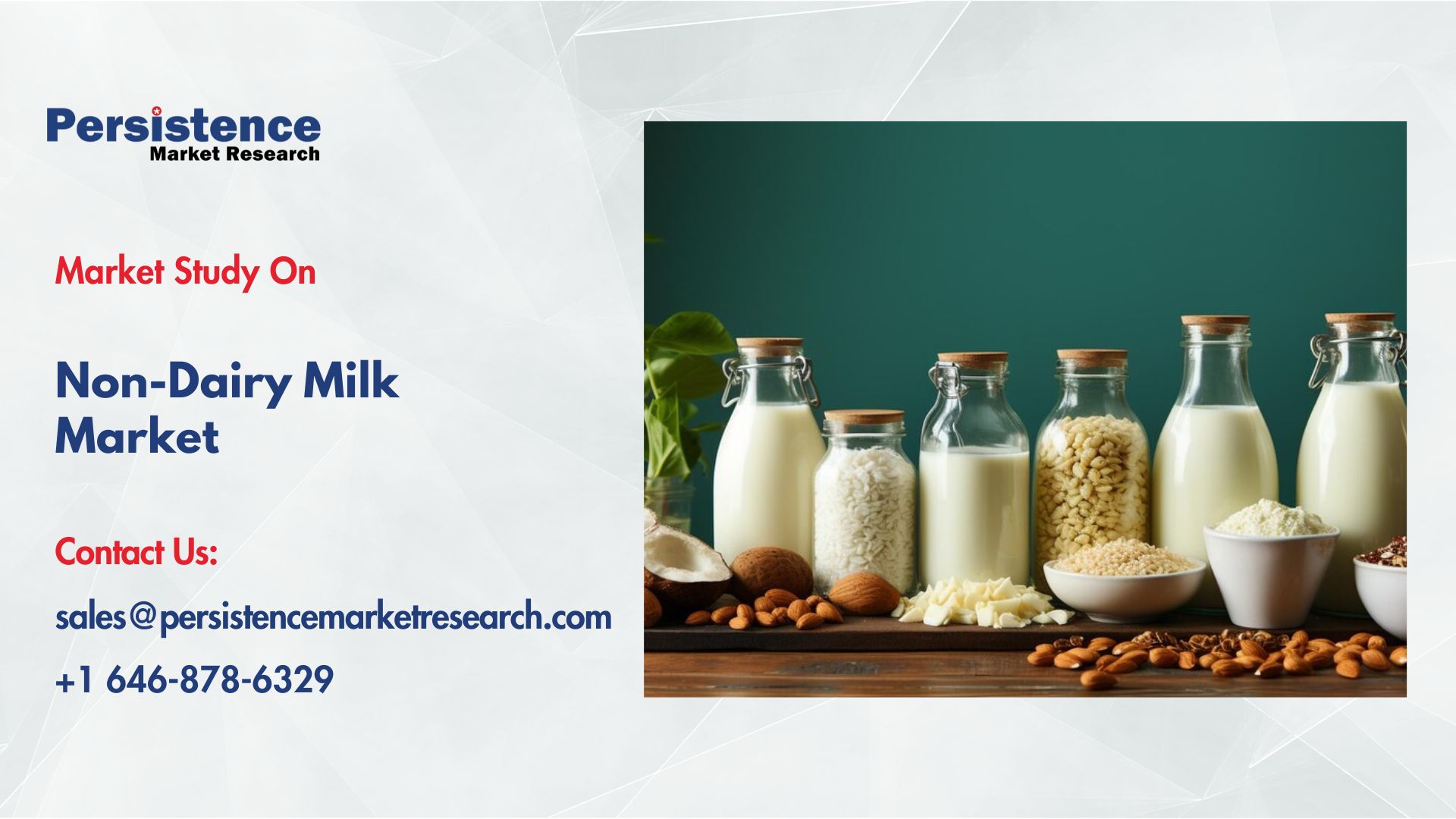
Non-dairy milk market to hit US$54.3 Bn by 2033 from US$25.2Bn in 2026, driven by vegan demand, lactose intolerance & fast innovation in plant-based drinks
BRENTFORD, ENGLAND, UNITED KINGDOM, February 5, 2026 /EINPresswire.com/ -- The global non-dairy milk market is undergoing a significant transformation as consumer preferences shift toward plant-based, lactose-free, and sustainable beverage alternatives. The market is likely to be valued at US$ 25.2 billion in 2026 and is projected to reach US$ 54.3 billion by 2033, expanding at a robust compound annual growth rate (CAGR) of 11.6% during the forecast period from 2026 to 2033. This strong growth outlook reflects the accelerating adoption of non-dairy milk across retail, foodservice, and industrial food applications worldwide.
Non-dairy milk, also referred to as plant-based milk, includes beverages derived from sources such as almonds, soy, oats, rice, coconuts, and other plant materials. These products are increasingly being positioned not only as substitutes for traditional dairy milk but also as standalone nutritional and lifestyle beverages. Rising lactose intolerance rates, growing awareness of dairy-related allergies, and increasing vegan and flexitarian populations are among the primary factors driving market expansion.
In addition, heightened consumer focus on health and wellness is significantly influencing purchasing behavior. Non-dairy milk products are often perceived as lower in cholesterol, easier to digest, and enriched with functional ingredients such as vitamins, minerals, and plant proteins. Environmental considerations, including concerns over greenhouse gas emissions, water usage, and animal welfare associated with conventional dairy farming, are further reinforcing demand for plant-based alternatives.
Get Your FREE Sample Report Instantly – Click Now: https://www.persistencemarketresearch.com/samples/34097
Segmentation Analysis
By Product Type
• Almond Milk
• Soy Milk
• Coconut Milk
• Oat Milk
• Rice Milk
• Cashew Milk
• Hemp Milk
• Pea Milk
• Others
By Application
• Beverages,
• Food
• Nutraceuticals
• Others
By Distribution Channel
• Supermarkets/Hypermarkets
• Online Retail
• Convenience Stores
• Others
Regional Insights
The non-dairy milk market demonstrates strong regional variation, influenced by dietary habits, income levels, cultural acceptance, and regulatory frameworks.
North America represents one of the largest markets for non-dairy milk, supported by high consumer awareness, a well-established plant-based food culture, and strong innovation ecosystems. The United States leads regional demand, driven by widespread lactose intolerance awareness, growing vegan and flexitarian populations, and aggressive product launches by major brands. The presence of advanced retail infrastructure and strong foodservice adoption further reinforces market growth.
Europe is another key market, characterized by increasing regulatory and consumer emphasis on sustainability, animal welfare, and clean-label products. Countries such as the United Kingdom, Germany, France, and the Nordic nations are witnessing steady adoption of oat milk and almond milk, particularly in urban centers. Supportive labeling regulations and rising investments in plant-based food startups are contributing to regional market expansion.
Asia Pacific is expected to be the fastest-growing region during the forecast period, driven by large population bases, rising disposable incomes, and traditional familiarity with plant-based beverages such as soy milk. Rapid urbanization, changing lifestyles, and increasing penetration of Western-style cafés and retail chains are accelerating demand for diversified non-dairy milk offerings. China, India, Japan, and Southeast Asian countries are emerging as high-potential markets due to expanding middle-class populations and growing health awareness.
Unique Features and Innovations in the Market
The modern non-dairy milk market is highly differentiated by innovation, branding, and technological advancement. Manufacturers are increasingly focusing on improving sensory attributes such as taste, mouthfeel, and foamability to replicate or surpass the experience of traditional dairy milk. This is particularly important in coffee and foodservice applications, where performance consistency is critical.
Emerging technologies, including artificial intelligence and data analytics, are being used to optimize product formulation, forecast demand trends, and personalize marketing strategies. AI-driven insights help companies identify emerging flavor preferences and nutritional requirements, accelerating time-to-market for new products. IoT-enabled manufacturing systems are improving quality control, traceability, and operational efficiency across production facilities.
Sustainability-focused innovations are also shaping the market. Companies are investing in eco-friendly packaging, water-efficient sourcing, and low-carbon production processes to align with consumer and regulatory expectations. Transparent labeling, clean ingredient lists, and certification programs are becoming key differentiators in competitive positioning.
Need Tailored Insights? Request Customization Now: https://www.persistencemarketresearch.com/request-customization/34097
Market Highlights
One of the primary reasons for the rapid adoption of non-dairy milk is its alignment with evolving consumer values related to health, sustainability, and ethical consumption. Businesses across the food and beverage industry are increasingly incorporating plant-based milk to meet changing customer expectations and expand their product portfolios.
Cost considerations are also influencing adoption, particularly as economies of scale and technological improvements reduce production costs. In addition, regulatory support for plant-based alternatives, including clearer labeling guidelines and sustainability initiatives, is creating a favorable environment for market growth.
The role of sustainability is particularly significant, as non-dairy milk generally requires fewer natural resources compared to conventional dairy production. This advantage is resonating strongly with environmentally conscious consumers and institutional buyers seeking to reduce their carbon footprint.
Key Players and Competitive Landscape
• Danone SA
• Oatly Group AB
• Blue Diamond Growers
• Califia Farms LLC
• Vitasoy International
• Nestle SA
• Campbell Soup Company
• SunOpta Inc
• Ripple Foods
• Elmhurst Milked
• Hebei Yangyuan
• Coconut Palm Group
• The Hain Celestial
Future Opportunities and Growth Prospects
The future outlook for the global non-dairy milk market remains highly positive, supported by ongoing shifts in consumer behavior, technological advancements, and regulatory evolution. Opportunities are expected to emerge in fortified and functional plant-based milk products targeting specific health benefits such as immunity, gut health, and sports nutrition.
The integration of digital technologies across supply chains, marketing, and consumer engagement will further enhance market efficiency and responsiveness. At the same time, evolving regulations related to labeling, sustainability, and nutritional standards will continue to shape competitive strategies and innovation priorities.
Explore the Latest Trending Research Reports:
Culinary Sauces Market Opportunities
Food Flavor Enhancer Market Opportunities
Aishwarya Doiphode
Persistence Market Research
+1 646-878-6329
email us here
Visit us on social media:
LinkedIn
Instagram
YouTube
X
Legal Disclaimer:
EIN Presswire provides this news content "as is" without warranty of any kind. We do not accept any responsibility or liability for the accuracy, content, images, videos, licenses, completeness, legality, or reliability of the information contained in this article. If you have any complaints or copyright issues related to this article, kindly contact the author above.
